Dynamic Fest Transformation of Kingdom Come: Deliverance 2
- By Sophia
- Jan 14,2026
If you've taken a break from your controller this year to experience the real world, you might have noticed an intriguing trend at major international film festivals. It began in May, when a film adaptation of the viral Japanese indie game Exit 8 premiered at the prestigious Cannes Film Festival—marking the first time a video game movie received this honor. Director Genki Kawamura reimagines the source material with a compelling structural twist, appealing to both art-house audiences and dedicated gamers. Of course, live-action video game adaptations are hardly a new phenomenon.
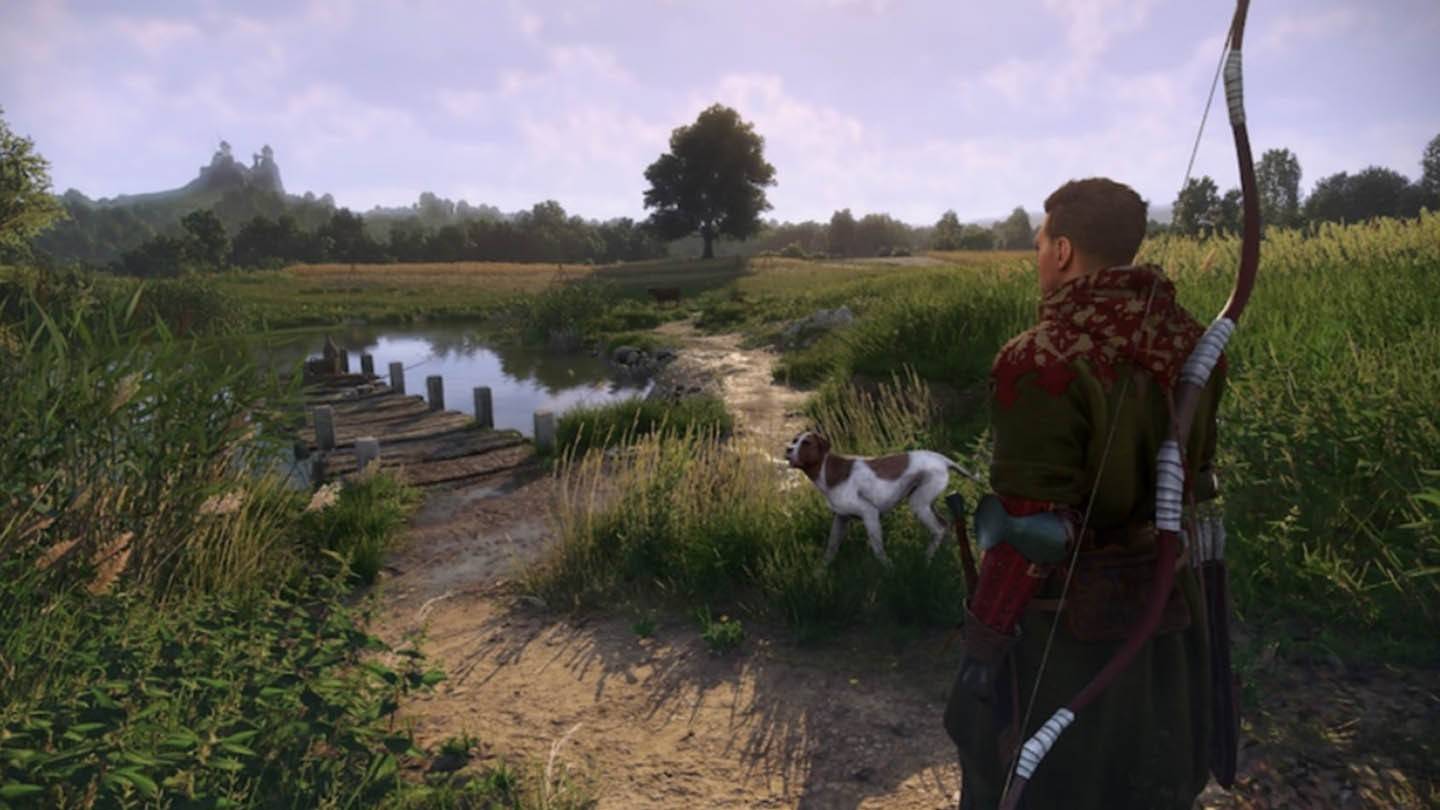
This is what makes the Kingdom Come: Deliverance 2 Cinematic Cut so fascinating. It is not a live-action adaptation of Warhorse Studios' acclaimed RPG. Instead, it is an edited, reformatted version of the game's first act, blending cutscenes and key gameplay moments into a cohesive two-hour linear film. The project debuted as one of the most unusual presentations at this month's Karlovy Vary International Film Festival (KVIFF) in the Czech Republic—a unique cross-media experiment that originated outside the developer's usual scope.
"The collaboration began at the official launch event for Kingdom Come: Deliverance 2," explains KVIFF artistic director Karel Och. "We were introduced through a mutual connection, and it became clear that both Warhorse and the festival were eager to collaborate. Over the following months, it was exciting to explore what Warhorse represents—and I believe the feeling was mutual among our friends in the gaming industry."
Tobias Stolz-Zwilling, Warhorse's communications director, agrees. "The festival aimed to modernize and diversify its offerings—to present something genuinely new." As the largest film festival in Eastern Europe, KVIFF attracts a younger, more adventurous audience than many of its counterparts. The studio viewed the proposal as an opportunity to enhance the cultural recognition of video games within mainstream entertainment. Moreover, many members of the game's cinematics team were already well-versed in the language of film.
Petr Pekař, cinematic director for Kingdom Come: Deliverance 2, originally studied film editing and directing with the goal of becoming a traditional filmmaker. However, he found his niche in video games. "The Czech Republic has many talented filmmakers, but the market is relatively small and highly competitive," Pekař notes. "Thankfully, there are numerous studios specializing in cutscenes, which are essentially short animated films." Pekař honed his skills working on cinematics for Mafia 3 before joining Warhorse—first as a cinematic designer on the original Kingdom Come, and later as a director on the sequel.
Presenting Deliverance 2's cinematics on the big screen invites comparison with traditional filmmaking—a departure from their original interactive context. "As a player, your primary focus is gameplay," Pekař observes. "Cutscenes are like dessert—not essential, but when done well, they greatly enhance the story and overall experience."
The Cinematic Cut opens, naturally, with the game's introductory cutscene. Watching it, one might feel as though they've started a YouTube compilation titled "Kingdom Come: Deliverance 2 – All Cutscenes" (Pekař jokes, "I doubt many people watch those all the way through"). The cinematic direction is confident, though familiar—drawing heavily on classic high-fantasy tropes. A dramatic siege sequence evokes the epic scale of Peter Jackson's The Lord of the Rings trilogy—a major inspiration for Warhorse's visual style. On the cinema screen, the scene underscores how video games have long engaged in stylistic homage, allowing players to step into fantastical worlds they first admired on film. Yet, the Cinematic Cut cannot fully replicate the interactive thrill of the source material—it remains a viewing experience, not a playable one.
When the pre-rendered cutscenes conclude, something intriguing occurs. The perspective shifts to first-person gameplay—but this is no ordinary playthrough. Sharp, well-timed edits create a new, dynamic rhythm. A character ascends a staircase—cut—then suddenly appears further along—cut—until they reach the ramparts, blade in hand. The effect is surprisingly gripping. "Most of the gameplay footage was captured by Vítek Mičke, our marketing specialist," Pekař explains. "He also produced our trailers and has a strong sense of timing and visual aesthetics. He skillfully controlled the in-game camera to compose shots that feel cinematic—truly capturing the mood."
A few abrupt transitions momentarily disrupt the flow. A sudden cut to a ladder being lowered, for instance, feels distinctly like a gameplay segment beginning or ending, briefly breaking the cinematic illusion. Such moments are rare, however, and they highlight how successfully Warhorse has generally translated an interactive medium into a linear narrative.
"I see this as an experiment that others can build upon and improve," Pekař reflects. "Perhaps we'll attempt it again with future projects, applying the lessons we've learned. It was a unique experience to see our work on the big screen—and I was pleasantly surprised by how well it held up. It's unconventional, but it works. This isn't a new art form destined to rival traditional cinema, but for festivals and dedicated fans, I believe it's a format with potential."
The KVIFF team is equally satisfied with the collaboration. "Storytelling takes many forms," says Och. "We're proud to have written a new chapter in the festival's history alongside professionals we deeply respect, all sharing a common creative vision."
"I believe this format builds a bridge between mediums," Pekař concludes. "Gamers may develop a greater appreciation for visual storytelling—color palettes, mood, and cinematography. Conversely, film enthusiasts can gain insight into how narrative functions differently in interactive media. When these two worlds collaborate, they generate truly innovative and exciting ideas. Stepping outside our creative bubbles to explore other formats helps us better understand and appreciate each other's crafts."
The Kingdom Come: Deliverance 2 Cinematic Cut is available for streaming on the KVIFF.TV website for a small fee (approximately $6) until July 31, 2027.
Latest News
more >-
- Vampire Survivors Unleashes Major Content Update
- May 17,2026
-

-

- Atlan, One Punch Man Crossover Launches June 26
- May 14,2026
-

- Sims 4 Burglary Event Returns
- May 12,2026
-
- "Dune: Awakening" opens character creator
- May 12,2026