Elden Ring Player Sues Developer Over Skill-Based Barrier
- By Matthew
- Jan 10,2026
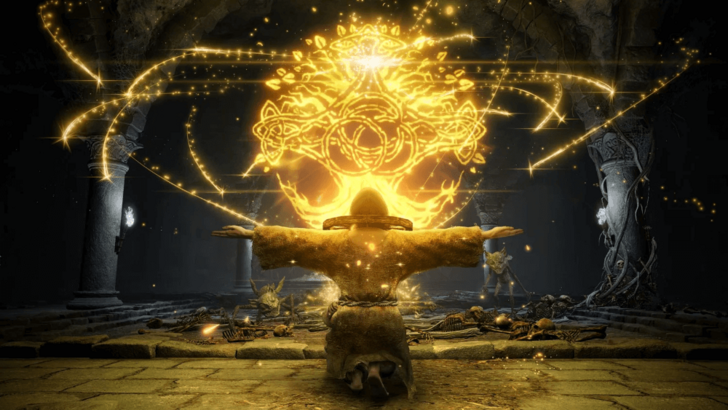
A player has initiated legal action against Bandai Namco and FromSoftware, claiming the companies misled customers by hiding significant portions of Elden Ring's gameplay. This article examines the lawsuit's details, its likelihood of success, and the plaintiff's underlying motivations.
Elden Ring Player Takes Legal Action in Small Claims Court
Content Locked Behind 'Skill Issue'
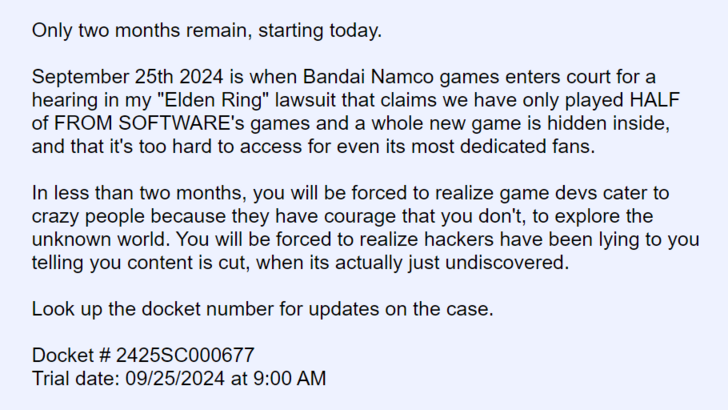
An Elden Ring player announced on the 4Chan forum their intention to sue Bandai Namco on September 25, alleging that Elden Ring and other FromSoftware titles conceal "an entirely separate game experience" behind intentionally extreme difficulty levels.
FromSoftware's games are widely recognized for their demanding yet balanced gameplay. The Elden Ring expansion Shadow of the Erdtree reinforced this reputation, with even experienced players describing its challenges as exceptionally tough.
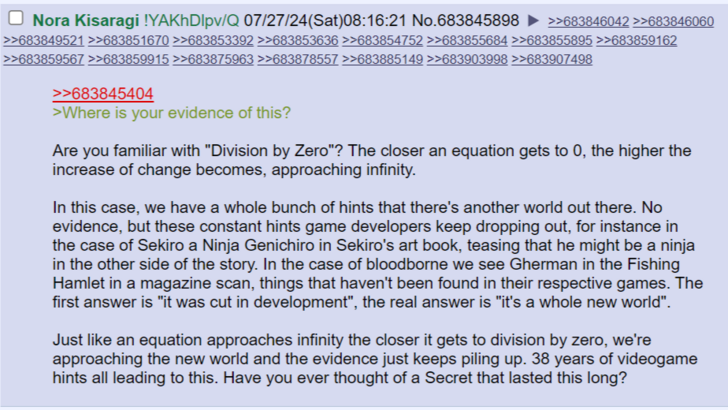
The plaintiff, using the pseudonym Nora Kisaragi, maintains that the games' intense difficulty obscures substantial undiscovered content. They argue Bandai Namco and FromSoftware engage in false advertising by presenting the game as complete, pointing to datamined assets as proof. While most players consider this unused material, the plaintiff believes it represents deliberately hidden gameplay.
The plaintiff acknowledged lacking solid evidence, relying instead on perceived hints from developers. They referenced Sekiro's art book suggesting Genichiro's alternate narrative potential, and FromSoftware president Hidetaka Miyazaki's comments about humanity's constraining role in Bloodborne.
Their fundamental argument asserts players "purchased content they cannot access, without even knowing it exists."
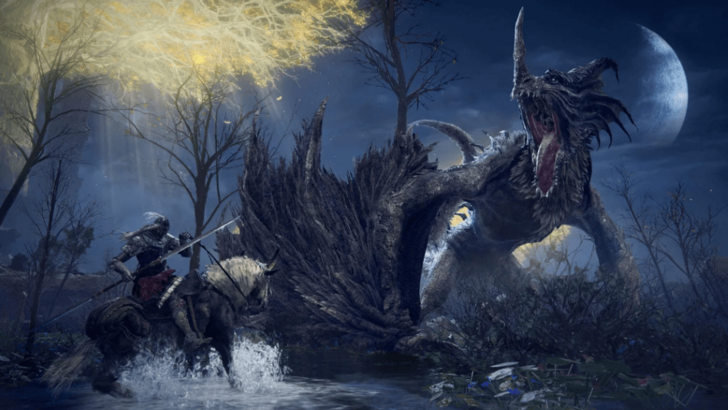
Many consider the case unreasonable, noting that dataminers would have uncovered any hidden game content long ago. Games commonly contain residual code from removed features, typically resulting from development constraints rather than intentional concealment. This standard industry practice doesn't imply deliberately hidden content.
Will the Lawsuit Succeed in Court?

According to Massachusetts state guidelines where the case was filed, individuals over 18 can pursue small claims cases without legal representation. The court will assess the claim's validity before or during proceedings.
The plaintiff might invoke Consumer Protection Law regarding "unfair or deceptive practices", alleging developers withheld relevant product information. However, proving these claims presents significant challenges. The plaintiff must demonstrate concrete evidence of a "hidden dimension" within the game and establish how this alleged deception caused consumer harm. Without substantiating proof, the case will likely face dismissal for speculation.
Even if successful, small claims court compensation remains limited. The plaintiff nevertheless maintains their position, stating in the 4Chan discussion: "I don't care about dismissal, as long as Bandai Namco publicly acknowledges the dimension's existence. That's my only objective."
Latest News
more >-
- Vampire Survivors Unleashes Major Content Update
- May 17,2026
-

-

- Atlan, One Punch Man Crossover Launches June 26
- May 14,2026
-

- Sims 4 Burglary Event Returns
- May 12,2026
-
- "Dune: Awakening" opens character creator
- May 12,2026