Civ 7 Reimagines Leadership Gaming
- By Owen
- Jan 08,2026

Civilization's iconic leaders have become as recognizable as the civilizations they represent. Firaxis Games has continuously evolved its approach to selecting these historical figures throughout the series. Discover how Civilization VII reinvents leadership with its most innovative roster yet.
← Return to Sid Meier's Civilization VII featured article
Civilization VII Transforms Historical Leadership

Since the franchise's inception, Civilization's leaders have remained a core pillar of gameplay and identity. These carefully selected historical figures shape their civilization's distinct personality, making them just as vital as cultural bonuses or unique units. While maintaining this foundational role, the series has continually refined its approach to leader selection with each new installment.
Join us as we trace Civilization's leadership evolution from its early days to the groundbreaking changes in Civilization VII.
The Original Civilization's Straightforward Approach

The original 1991 Civilization adopted a no-nonsense approach to leader selection, focusing exclusively on heads of state from major historical powers. Its roster of 15 civilizations featured universally recognizable figures like Abraham Lincoln, Julius Caesar, and Mahatma Gandhi - though some choices like Stalin and Mao sparked controversy. Queen Elizabeth I stood as the sole female leader in this inaugural selection.

This straightforward approach reflected both the limitations of early game development and 1990s historical perspectives. However, the series would soon begin expanding its vision of leadership.
Progress Through the Ages (Civilization II-V)

Civilization II introduced groundbreaking changes, including separate male and female leader options for each civilization. The definition of leadership expanded beyond rulers to include cultural icons - Japan could now be led by the sun goddess Amaterasu, while the Sioux had Sacagawea as an option.
Civilization III further evolved this approach by integrating female leaders directly into the main roster, with figures like Joan of Arc superseding Napoleon for France. By Civilization IV and V, the series embraced a broader conception of leadership that included generals, revolutionaries, and cultural figures alongside traditional rulers.

Civilization VI's Leadership Renaissance

Civilization VI marked a turning point with fully animated leaders and the introduction of leader personas - alternate versions emphasizing different aspects of historical figures' legacies. The roster diversified significantly, spotlighting lesser-known heroes like Vietnam's warrior queen Bà Triệu and Chile's Mapuche resistance leader Lautaro.

This era also introduced cross-civilization leaders like Eleanor of Aquitaine (France/England) and Kublai Khan (Mongolia/China), while some civilizations gained multiple leader options showcasing different historical eras.
Civilization VII's Bold New Vision

Civilization VII represents the most radical evolution yet, featuring unconventional choices that would have been unthinkable in early installments. The game introduces:
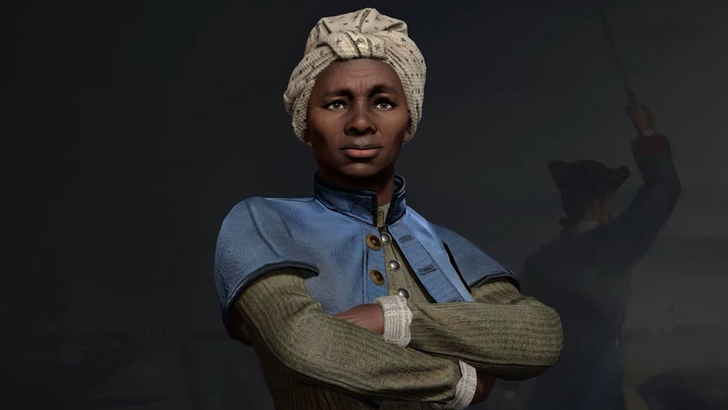
- Harriet Tubman's espionage-focused leadership for America
- Niccolò Machiavelli representing Italian political philosophy
- Philippine national hero José Rizal emphasizing cultural diplomacy

After three decades, Civilization has transformed from focusing solely on heads of state to celebrating the diverse individuals who shaped human history. While the definition of leadership continues evolving, its importance in the series remains as vital as ever.
← Return to Sid Meier's Civilization VII featured article
Similar Strategy Games to Explore

Latest News
more >-
- Vampire Survivors Unleashes Major Content Update
- May 17,2026
-

-

- Atlan, One Punch Man Crossover Launches June 26
- May 14,2026
-

- Sims 4 Burglary Event Returns
- May 12,2026
-
- "Dune: Awakening" opens character creator
- May 12,2026