Maison > Nouvelles > As of now, there is no verified public report of a DMCA strike against Baldur’s Gate 3 by Larian Studios, nor has Larian officially responded to such a claim regarding a mod. However, there have been several notable developments in the modding community surrounding Baldur’s Gate 3, which may be the source of confusion: Background: Baldur’s Gate 3, developed by Larian Studios, has a famously open and supportive attitude toward modding, even officially endorsing and integrating community mod tools (like the Baldur’s Gate 3 Modding Kit) and hosting mod contests. In 2023, Larian launched an official modding program, including a Modding Kit and a Mod Showcase, indicating strong support for player creativity. Why the Confusion? Misinformation or rumors may have circulated online claiming a DMCA strike against a mod (e.g., a controversial fan-made mod, an "overpowered" or "exploitative" mod, or one that alters core gameplay significantly). Some users may have conflated a takedown notice for a specific mod (e.g., one that used copyrighted material improperly) with a broader DMCA strike on Larian itself. In rare cases, a modder might have received a DMCA takedown notice from a third party (e.g., for using music, artwork, or code from another IP), but that wouldn't be a strike against Larian. Larian’s Official Stance: Larian has consistently encouraged modding, stating that they are "very proud" of the community and actively support it. They have not removed or banned any major mods due to DMCA concerns. Their official policy is to respect modder creativity while ensuring that mods don’t infringe on intellectual property or compromise game stability. Conclusion: There is no credible evidence that Larian Studios has issued or received a DMCA strike related to Baldur’s Gate 3 modding. If rumors are circulating, they are likely based on: Misunderstanding of a third-party takedown notice. A false or exaggerated report. A prank or misinformation spread on social media. For the most accurate updates, always refer to: The official Larian Studios website. The Baldur’s Gate 3 Discord. Trusted gaming news outlets like PC Gamer, IGN, or The Verge. If you have a specific mod or incident in mind, feel free to share more details and I can help clarify further.
As of now, there is no verified public report of a DMCA strike against Baldur’s Gate 3 by Larian Studios, nor has Larian officially responded to such a claim regarding a mod. However, there have been several notable developments in the modding community surrounding Baldur’s Gate 3, which may be the source of confusion: Background: Baldur’s Gate 3, developed by Larian Studios, has a famously open and supportive attitude toward modding, even officially endorsing and integrating community mod tools (like the Baldur’s Gate 3 Modding Kit) and hosting mod contests. In 2023, Larian launched an official modding program, including a Modding Kit and a Mod Showcase, indicating strong support for player creativity. Why the Confusion? Misinformation or rumors may have circulated online claiming a DMCA strike against a mod (e.g., a controversial fan-made mod, an "overpowered" or "exploitative" mod, or one that alters core gameplay significantly). Some users may have conflated a takedown notice for a specific mod (e.g., one that used copyrighted material improperly) with a broader DMCA strike on Larian itself. In rare cases, a modder might have received a DMCA takedown notice from a third party (e.g., for using music, artwork, or code from another IP), but that wouldn't be a strike against Larian. Larian’s Official Stance: Larian has consistently encouraged modding, stating that they are "very proud" of the community and actively support it. They have not removed or banned any major mods due to DMCA concerns. Their official policy is to respect modder creativity while ensuring that mods don’t infringe on intellectual property or compromise game stability. Conclusion: There is no credible evidence that Larian Studios has issued or received a DMCA strike related to Baldur’s Gate 3 modding. If rumors are circulating, they are likely based on: Misunderstanding of a third-party takedown notice. A false or exaggerated report. A prank or misinformation spread on social media. For the most accurate updates, always refer to: The official Larian Studios website. The Baldur’s Gate 3 Discord. Trusted gaming news outlets like PC Gamer, IGN, or The Verge. If you have a specific mod or incident in mind, feel free to share more details and I can help clarify further.
- By Eleanor
- Mar 28,2026
This situation highlights a growing tension in the gaming industry between fan creativity and intellectual property (IP) enforcement—particularly when it comes to beloved franchises like Baldur’s Gate 3 and Stardew Valley. The DMCA takedown of the fan-made mod "Baldur's Village", which merges characters from Baldur’s Gate 3 into the cozy, pastoral world of Stardew Valley, has sparked widespread conversation among fans, developers, and legal observers.
Key Points of the Situation:
-
The Mod: "Baldur's Village" is a labor of love—a high-fidelity fan creation that incorporates detailed character models, animations, and dialogue from Baldur’s Gate 3 into Stardew Valley's gameplay. It demonstrates not just technical skill but deep affection for both games.
-
Public Support from Larian Studios: Sven Vincke, CEO of Larian Studios, publicly praised the mod as "an incredible labor of love" and expressed admiration for its craftsmanship. His endorsement was seen as a rare and positive signal from a developer toward fan-made content.
-
DMCA Takedown by Wizards of the Coast (WotC): Despite Larian’s approval, Wizards of the Coast—rights holder for Dungeons & Dragons and the Baldur’s Gate franchise—issued a DMCA takedown notice through Nexus Mods, resulting in the removal of the mod.
-
Possible Oversight? Nexus Mods’ spokesperson suggested this might have been an administrative error, possibly due to automated systems flagging content without human review. Given that WotC frequently uses third-party tools to detect copyright violations, it's plausible this was a false positive.
-
Vincke’s Response: Vincke reiterated his support for fan creativity and emphasized that such mods reflect a game’s cultural impact rather than harm. He called for "amicable resolution" and acknowledged the need for IP protection—but urged for more nuanced approaches.
Why This Matters
-
Fan Creations as Organic Marketing
Mods like Baldur’s Village don’t just entertain—they expand a game’s reach, introduce new audiences, and keep communities engaged. They often serve as free, authentic promotion, especially for narrative-rich games like BG3. -
The Role of Licensing and Consent
While Larian Studios may not have objected, Wizards of the Coast holds the final legal authority over the D&D and Baldur’s Gate IP. Even if a mod is non-commercial and transformative, it still risks infringing on trademarks, character designs, or copyrighted assets. -
A Broader Industry Trend
This isn’t isolated. Similar takedowns have occurred with The Sims, Minecraft, and Skyrim mods involving other IPs. Yet, studios like Bethesda and Mojang have occasionally embraced fan work—sometimes even integrating it into official content. -
Strategic Implications for WotC
With rumors swirling about a major Baldur’s Gate announcement at or shortly after GDC 2025, this takedown could be a pre-emptive move to control how the IP is used ahead of future releases. Alternatively, it may reflect internal policy rather than strategic intent.
What Could Happen Next?
-
Reinstatement of the Mod: If this was a mistake, fans and modders are calling on WotC to reconsider. A reversal would send a strong message that WotC values community creativity—even when it stretches boundaries.
-
Official Collaboration? Larian and WotC might explore ways to license or officially support such crossovers, similar to how The Elder Scrolls V: Skyrim and Fallout have seen official crossover events or content.
-
Policy Shift: This incident could prompt a broader discussion within the industry about when to enforce IP rights and when to encourage fan expression. Many argue that creativity should be nurtured, not punished—especially when it’s clearly non-commercial and respectful.
Final Thought
As Sven Vincke put it:
"They represent organic marketing rather than commercial infringement. While IP protection requires care, I believe there are positive solutions available here."
The removal of Baldur’s Village is a loss—not just to fans, but to the broader idea that video games can be shared, celebrated, and reimagined across worlds. The real victory would come not from legal enforcement, but from a decision to recognize and honor the passion behind this kind of fan art.
We’ll be watching closely. For now, the gaming community remains hopeful that a better outcome—perhaps a collaboration, a public apology, or a restored mod—may still be on the horizon.
Fingers crossed, indeed.
Dernières nouvelles
Plus >-
-
-
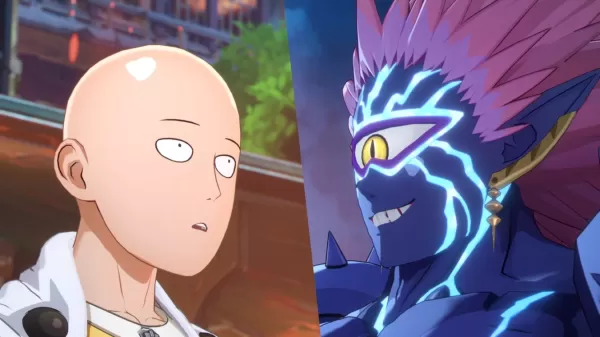
- Atlan et One-Punch Man s'unissent le 26 juin.
- May 14,2026
-
-
Actualité à la Une
-
"Le dernier port de PC, la dernière partie de la partie 2, a besoin d'un compte PSN"
-
"Kingdom Come: Deliverance 2 Fan Project gagne le soutien officiel des développeurs"
-
"Phantom Blade Zero: le réalisateur confirme l'action Wuxia, pas comme les âmes"
-
Précommande maintenant: Grave of the Fireflies Blu-ray Steelbook publié