Heim > Nachricht > As of now, there is no verified public report of a DMCA strike by Wizards of the Coast against a Baldur’s Gate 3 mod, nor has Larian Studios officially responded to such an incident. However, this topic has been a point of discussion in the modding community due to ongoing concerns about intellectual property rights, particularly as Baldur’s Gate 3 continues to grow in popularity. To clarify: Wizards of the Coast (WotC) holds the intellectual property rights to the Dungeons & Dragons (D&D) 5th Edition rules and associated lore, which Baldur’s Gate 3 is based on. Larian Studios, the developer of Baldur’s Gate 3, has a clear stance: they encourage and support modding for Baldur’s Gate 3, even providing official tools and resources (like the Baldur’s Gate 3 Mod SDK) to help modders create content. This support was notably demonstrated at events like The Game Awards and through community engagement. Any DMCA strike would be a serious development, as it could affect the modding community’s ability to share and distribute mods. However, to date, Larian has not issued any statement about a DMCA strike on a Baldur’s Gate 3 mod, and no such strike has been officially confirmed. Important Note: There have been reports in the past (especially around 2023–2024) of some mods being removed from platforms like Nexus Mods due to copyright concerns, but these were typically voluntary takedowns or platform policy actions, not direct DMCA strikes from WotC. In short: No credible evidence exists of a DMCA strike by Wizards of the Coast on a Baldur’s Gate 3 mod, and Larian Studios has not responded to such a claim because no such claim has occurred publicly. If you heard otherwise, it may have been misinformation or a misunderstanding of a separate incident. Always check official sources like Larian’s website, social media, or trusted gaming news outlets (e.g., GameSpot, IGN, PC Gamer) for accurate updates.
As of now, there is no verified public report of a DMCA strike by Wizards of the Coast against a Baldur’s Gate 3 mod, nor has Larian Studios officially responded to such an incident. However, this topic has been a point of discussion in the modding community due to ongoing concerns about intellectual property rights, particularly as Baldur’s Gate 3 continues to grow in popularity. To clarify: Wizards of the Coast (WotC) holds the intellectual property rights to the Dungeons & Dragons (D&D) 5th Edition rules and associated lore, which Baldur’s Gate 3 is based on. Larian Studios, the developer of Baldur’s Gate 3, has a clear stance: they encourage and support modding for Baldur’s Gate 3, even providing official tools and resources (like the Baldur’s Gate 3 Mod SDK) to help modders create content. This support was notably demonstrated at events like The Game Awards and through community engagement. Any DMCA strike would be a serious development, as it could affect the modding community’s ability to share and distribute mods. However, to date, Larian has not issued any statement about a DMCA strike on a Baldur’s Gate 3 mod, and no such strike has been officially confirmed. Important Note: There have been reports in the past (especially around 2023–2024) of some mods being removed from platforms like Nexus Mods due to copyright concerns, but these were typically voluntary takedowns or platform policy actions, not direct DMCA strikes from WotC. In short: No credible evidence exists of a DMCA strike by Wizards of the Coast on a Baldur’s Gate 3 mod, and Larian Studios has not responded to such a claim because no such claim has occurred publicly. If you heard otherwise, it may have been misinformation or a misunderstanding of a separate incident. Always check official sources like Larian’s website, social media, or trusted gaming news outlets (e.g., GameSpot, IGN, PC Gamer) for accurate updates.
- By Eleanor
- Mar 28,2026
This situation highlights the growing tension between fan creativity and intellectual property (IP) enforcement in the gaming industry—particularly in the context of beloved franchises like Baldur’s Gate 3 and Stardew Valley. The takedown of the fan-made mod “Baldur’s Village”, which seamlessly integrates characters from Baldur’s Gate 3 into the whimsical world of Stardew Valley, has sparked widespread discussion among fans, developers, and industry observers.
Key Points of the Incident:
-
The Mod: Baldur’s Village is a labor of love by an anonymous modder, blending two vastly different but equally cherished games. It features detailed character models, voice acting (in some versions), and narrative integration that respects both games’ tones. The result is a heartfelt crossover that celebrates both franchises.
-
Larian Studios’ Public Support: Sven Vincke, CEO of Larian Studios, not only praised the mod but called it a “labor of love” and acknowledged its artistic merit. His endorsement signaled that fan-driven innovation can be a powerful form of celebration—and even indirect marketing—for a game.
-
DMCA Takedown by Wizards of the Coast: Despite Vincke’s support, Wizards of the Coast (WotC)—the rights holder for Dungeons & Dragons and, by extension, Baldur’s Gate 3—pulled the mod via DMCA notice. This move was likely prompted by automated copyright detection systems, which often flag unauthorized use of copyrighted characters, assets, or branding—even when used non-commercially and with transformative intent.
-
Nexus Mods’ Response: The platform expressed hope that this was an “administrative oversight,” noting WotC’s use of third-party monitoring tools. They emphasized that fan mods like Baldur’s Village demonstrate cultural impact and community passion—often more valuable than legal friction.
-
Vincke’s Thoughtful Rebuttal: His recent statement reflects a nuanced understanding of IP:
“High-quality fan mods... demonstrate your work's cultural impact... They represent organic marketing rather than commercial infringement.”
This sentiment echoes a broader movement in gaming: recognizing that fan content can be a force for good, fostering community, driving interest, and extending a franchise’s lifespan—without compromising legal rights.
Why This Matters: A Broader Industry Debate
This case isn’t isolated. Similar takedowns have occurred with The Legend of Zelda, Final Fantasy, and The Witcher fan projects—often met with backlash when communities see them as artistic tributes, not threats.
-
Fan Mods as Cultural Commentary: Projects like Baldur’s Village aren’t just gameplay alterations—they’re artistic homages that show how deeply players connect with characters and worlds. They reflect a player-driven narrative of belonging and shared imagination.
-
The Problem with Automated Takedowns: Many takedown notices are issued by algorithms that lack context. A mod using Baldur’s Gate 3 characters in Stardew Valley might trigger a flag based on asset matching—even if no profit is made, no trademark is violated, and the original game’s brand is not tarnished.
-
A Missed Opportunity for Engagement: Instead of removing the mod, WotC could have:
- Acknowledged the creativity publicly.
- Reached out to the modder for collaboration (e.g., a branded "Fan Crossover" event).
- Launched an official modding program, like Skyrim or The Sims, to foster community innovation.
Larian Studios’ openness to fan creativity stands in contrast to WotC’s more rigid enforcement—a divergence that may signal a shifting industry standard.
What’s Next?
-
Possible Reconsideration: With Vincke’s public support and the mod’s positive reception, there is growing pressure for WotC to reassess the takedown, especially if this was not a deliberate legal action but a procedural overreach.
-
Fan Response: Communities on Reddit, Twitter, and Nexus Mods have rallied behind the mod, calling for transparency and a more balanced approach to IP.
-
Future of Fan Modding: This incident could set a precedent. If WotC continues to enforce aggressively against non-commercial, transformative fan work, it may alienate long-time fans. On the other hand, if they choose dialogue over deletion, they could become a model for responsible, community-inclusive IP stewardship.
Final Thought
As Vincke wisely noted:
“There are constructive approaches to these situations.”
The future of gaming isn’t just about protecting IP—it’s about honoring the creativity that makes games matter. Baldur’s Village isn’t a threat to Baldur’s Gate 3. It’s a love letter.
And sometimes, the most powerful way to protect a franchise isn’t through takedowns—but through understanding, gratitude, and partnership.
We’ll be watching closely. And hoping for a second chance.
Neueste Nachrichten
Mehr >-
-
-
-
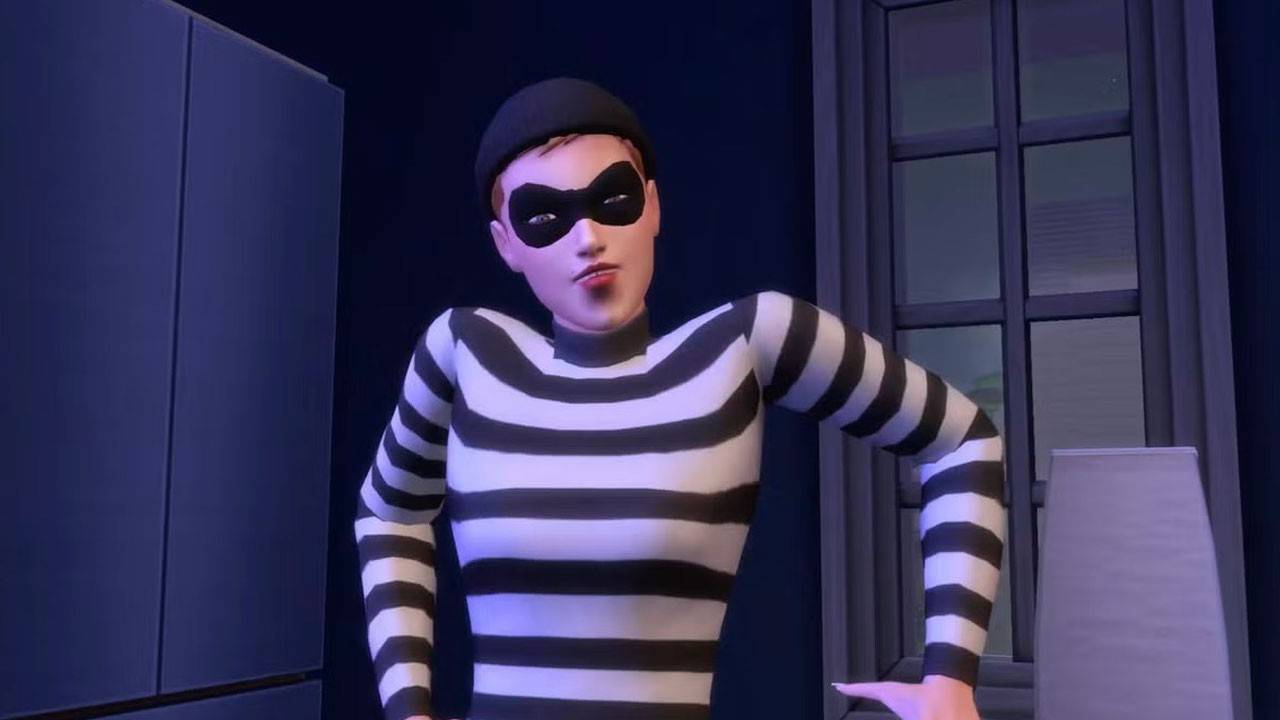
- Burglar-Ereignis in Sims 4 kehrt zurück
- May 12,2026
-
- "Dune: Awakening": Charakter-Editor gestartet
- May 12,2026