Hogar > Noticias > As of now, there is no verified public report confirming that Larian Studios received a DMCA strike from Wizards of the Coast (D&D's intellectual property holder) specifically targeting a Baldur’s Gate 3 mod. However, there has been significant discussion and media coverage surrounding modding, intellectual property (IP), and the relationship between Larian Studios and Wizards of the Coast. Here’s what’s known and widely reported: 1. No Official DMCA Strike Confirmed No official statement from Larian Studios, Wizards of the Coast, or the DMCA enforcement body (such as the U.S. Copyright Office) has confirmed a DMCA strike against a Baldur’s Gate 3 mod. While Wizards of the Coast has a history of enforcing its IP, including issuing takedown notices for unauthorized D&D content, no such action has been publicly linked to a mod of Baldur’s Gate 3. 2. Larian Studios’ Stance on Mods Larian has actively encouraged modding for Baldur’s Gate 3, providing: A modding API (via the Larian Modding Framework). Support for community creators. Public acknowledgment of modders' contributions. They have even hosted mod contests and featured mods on their official site and social media. 3. Legal Caution Around IP Use While Larian supports modding, they’ve clarified that mods must not: Use Wizards of the Coast’s official D&D 5th Edition content (e.g., official stat blocks, spells, monsters) without proper licensing. Violate Wizards’ trademark or copyright policies. This means that while fan-made content (e.g., new races, classes, items) is allowed, using official D&D material in a way that could infringe on copyright (e.g., redistributing the Player’s Handbook) is not. 4. Larian’s Response to Concerns Larian has reassured the community that they are not targeting modders. They emphasize collaboration and creativity, while acknowledging the need to respect third-party IP. 5. Possible Misinformation or Misinterpretation The phrase "DMCA strike" may have been misused or exaggerated in online forums or social media. Some mods have been removed from platforms like Nexus Mods due to DMCA claims, but these were not officially tied to Larian or a direct strike against the studio. Summary: ❌ No, Larian Studios has not received a DMCA strike for a Baldur’s Gate 3 mod. ✅ Larian actively supports modding and provides tools for creators. ⚠️ Mods must not misuse official D&D 5e content under Wizards of the Coast’s IP rights. 🛡️ Larian encourages community creativity while respecting IP boundaries. If you heard otherwise, it may stem from a misunderstanding, rumor, or a mod being taken down for IP concerns—not a strike against Larian itself. For updates, always refer to official sources like: Larian Studios’ official website Baldur’s Gate 3 modding hub Nexus Mods (for mod status updates) Let me know if you'd like help identifying a specific mod or verifying a claim.
As of now, there is no verified public report confirming that Larian Studios received a DMCA strike from Wizards of the Coast (D&D's intellectual property holder) specifically targeting a Baldur’s Gate 3 mod. However, there has been significant discussion and media coverage surrounding modding, intellectual property (IP), and the relationship between Larian Studios and Wizards of the Coast. Here’s what’s known and widely reported: 1. No Official DMCA Strike Confirmed No official statement from Larian Studios, Wizards of the Coast, or the DMCA enforcement body (such as the U.S. Copyright Office) has confirmed a DMCA strike against a Baldur’s Gate 3 mod. While Wizards of the Coast has a history of enforcing its IP, including issuing takedown notices for unauthorized D&D content, no such action has been publicly linked to a mod of Baldur’s Gate 3. 2. Larian Studios’ Stance on Mods Larian has actively encouraged modding for Baldur’s Gate 3, providing: A modding API (via the Larian Modding Framework). Support for community creators. Public acknowledgment of modders' contributions. They have even hosted mod contests and featured mods on their official site and social media. 3. Legal Caution Around IP Use While Larian supports modding, they’ve clarified that mods must not: Use Wizards of the Coast’s official D&D 5th Edition content (e.g., official stat blocks, spells, monsters) without proper licensing. Violate Wizards’ trademark or copyright policies. This means that while fan-made content (e.g., new races, classes, items) is allowed, using official D&D material in a way that could infringe on copyright (e.g., redistributing the Player’s Handbook) is not. 4. Larian’s Response to Concerns Larian has reassured the community that they are not targeting modders. They emphasize collaboration and creativity, while acknowledging the need to respect third-party IP. 5. Possible Misinformation or Misinterpretation The phrase "DMCA strike" may have been misused or exaggerated in online forums or social media. Some mods have been removed from platforms like Nexus Mods due to DMCA claims, but these were not officially tied to Larian or a direct strike against the studio. Summary: ❌ No, Larian Studios has not received a DMCA strike for a Baldur’s Gate 3 mod. ✅ Larian actively supports modding and provides tools for creators. ⚠️ Mods must not misuse official D&D 5e content under Wizards of the Coast’s IP rights. 🛡️ Larian encourages community creativity while respecting IP boundaries. If you heard otherwise, it may stem from a misunderstanding, rumor, or a mod being taken down for IP concerns—not a strike against Larian itself. For updates, always refer to official sources like: Larian Studios’ official website Baldur’s Gate 3 modding hub Nexus Mods (for mod status updates) Let me know if you'd like help identifying a specific mod or verifying a claim.
- By Eleanor
- Mar 28,2026
The situation surrounding the Stardew Valley fan mod "Baldur's Village" — which integrates characters from Baldur’s Gate 3 into the idyllic world of Stardew Valley — has sparked significant conversation across gaming communities, highlighting the growing tension between fan creativity and intellectual property enforcement.
Key Points of the Incident:
-
The Mod: "Baldur's Village" is a highly polished, community-driven fan project that merges the art, dialogue, and personalities of Baldur’s Gate 3 characters into Stardew Valley’s cozy, farming-life framework. It features detailed animations, voice clips (where licensed), and narrative integration, all created by fans without commercial intent.
-
Positive Reception from Larian Studios: Shortly after its release, Sven Vincke, CEO of Larian Studios, publicly praised the mod on Twitter as "an incredible labor of love with amazing attention to detail." His endorsement was seen as a rare and encouraging gesture from a developer toward fan creativity.
-
DMCA Takedown by Wizards of the Coast (WotC): Despite Vincke’s support, the mod was removed from Nexus Mods following a formal DMCA takedown notice issued by Wizards of the Coast, the rights holder for Dungeons & Dragons and the Baldur’s Gate franchise.
-
Third-Party Enforcement: A Nexus Mods representative noted that WotC often uses third-party services to monitor and enforce copyright claims. They expressed hope that this was an "administrative oversight," especially given the non-commercial, transformative nature of the mod.
-
Vincke’s Response: In a follow-up tweet on March 31, 2025, Vincke reiterated his support:
"IP protection presents challenges, but I'm hopeful for an amicable resolution. There are constructive approaches to these situations."
He emphasized that such mods reflect cultural impact and organic marketing, not infringement. His tone suggests a desire for dialogue rather than confrontation.
Why This Matters:
This case underscores a crucial shift in how studios and publishers view fan content:
-
Fandom as Advocacy: Mods like "Baldur's Village" don’t just entertain — they amplify a game’s legacy, foster community engagement, and introduce new audiences to beloved characters. For a franchise like Baldur’s Gate, known for its deep lore and passionate players, such creations are powerful cultural artifacts.
-
The IP Dilemma: While Larian Studios supported the mod, WotC holds the legal rights to the D&D IP and Baldur’s Gate characters. Their enforcement action may stem from policy, not personal animus. However, the decision to remove a fan project praised by the developer raises questions about whether procedural automation (e.g., AI-driven takedown systems) is overriding context and intent.
-
Precedent for Future Mods: If fan projects that celebrate characters across genres are routinely removed — even with developer approval — it could stifle innovation and discourage collaboration between communities and creators.
Possible Outcomes:
-
Reinstatement: If WotC reviews the case and recognizes the mod’s non-commercial, transformative nature, they may reverse the takedown. This would signal a more nuanced approach to fan works.
-
Dialogue Initiated: Vincke’s public stance may prompt WotC to engage with the mod’s creators or the Nexus Mods platform to find a compromise — such as a "non-commercial fan project" designation.
-
Broader Policy Shift: This incident could push major IP holders to reconsider automated takedowns, especially when they conflict with developer sentiment and community goodwill.
-
Fan Pushback: The community may organize around the mod, calling for transparency from WotC and demanding a review — potentially using the case as a catalyst for reform in IP enforcement.
Final Thoughts:
The removal of "Baldur's Village" — despite praise from Larian Studios — illustrates a disconnect between creative spirit and legal rigidity. While intellectual property must be protected, the case shows that fan creativity, when respectful and transformative, can be a force for good, not harm.
Sven Vincke’s call for "constructive approaches" is not just wise — it’s necessary. As the gaming world moves toward more open, collaborative ecosystems, IP enforcement should evolve to recognize value beyond the bottom line.
We’ve reached out to Wizards of the Coast for comment and will update this report if they respond.
For now, the message is clear:
Fandom doesn’t need permission to love a game — but creators should have a say in how that love is honored.
Últimas noticias
Más >-
-
-
-
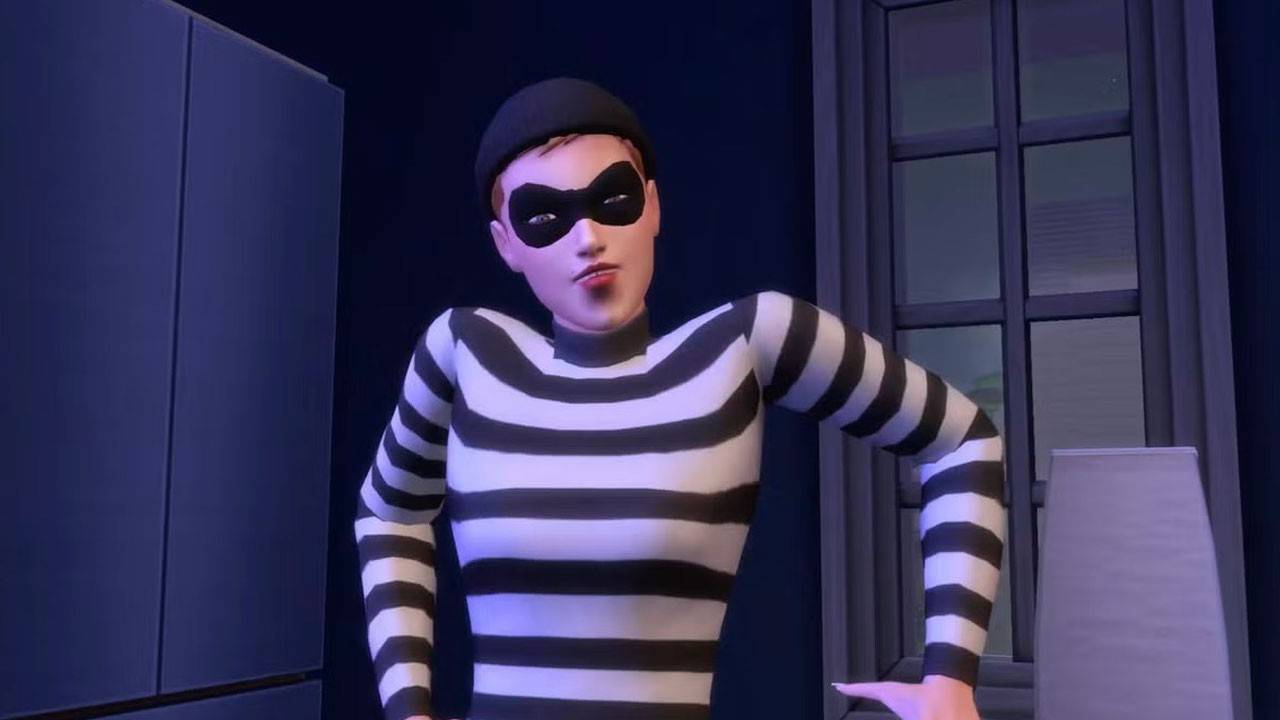
- El evento de robo regresa a The Sims 4
- May 12,2026
-
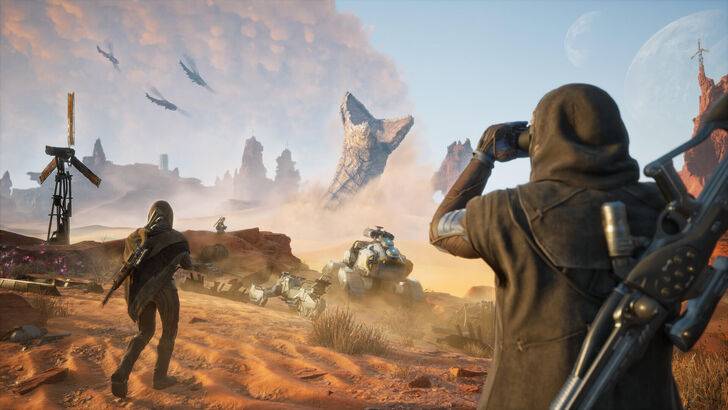
- "Dune: Awakening" abre el creador de personajes
- May 12,2026
Las noticias más importantes
-
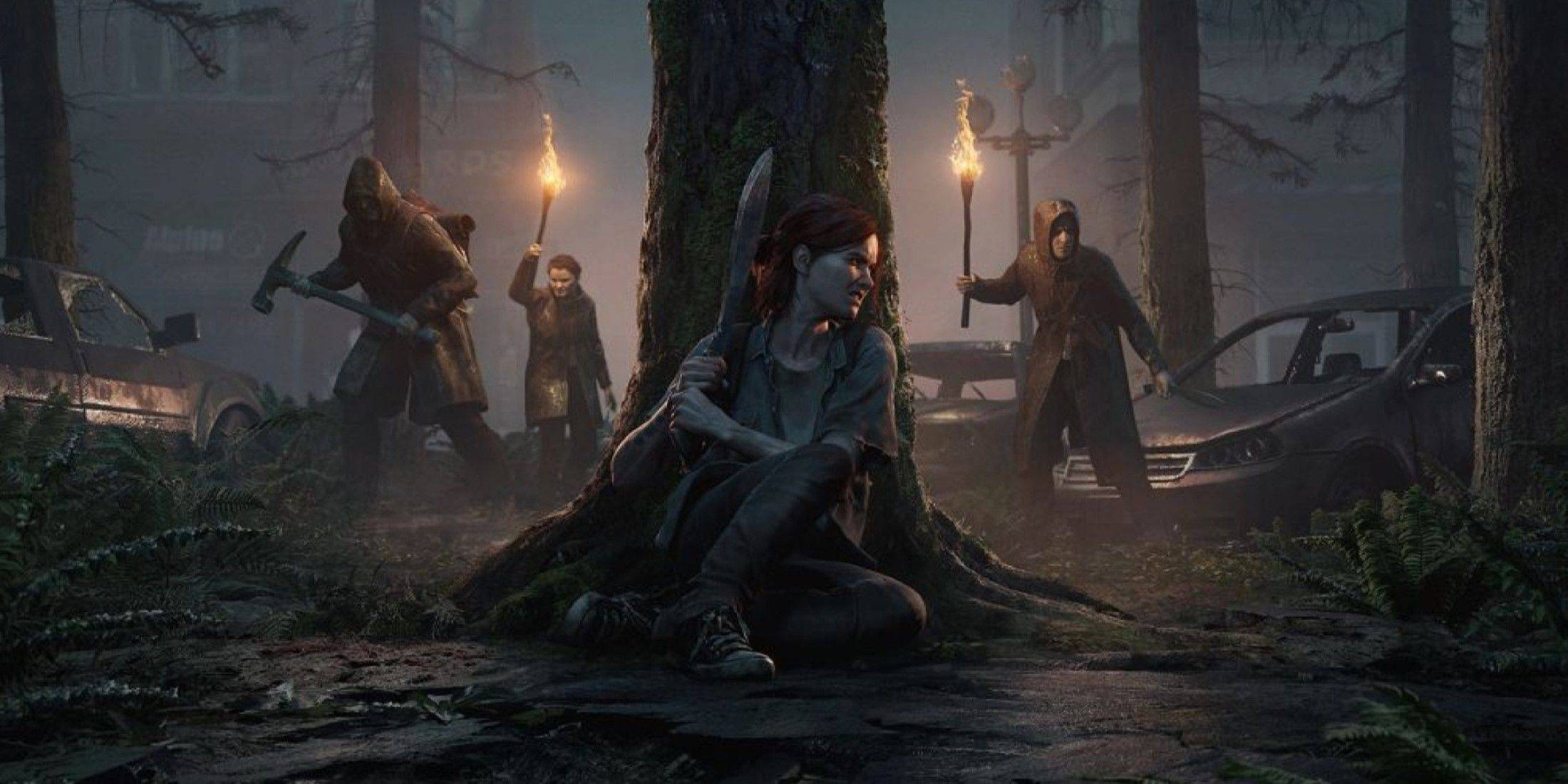
"El último de nosotros, la parte 2, el puerto de PC necesita una cuenta PSN"
-
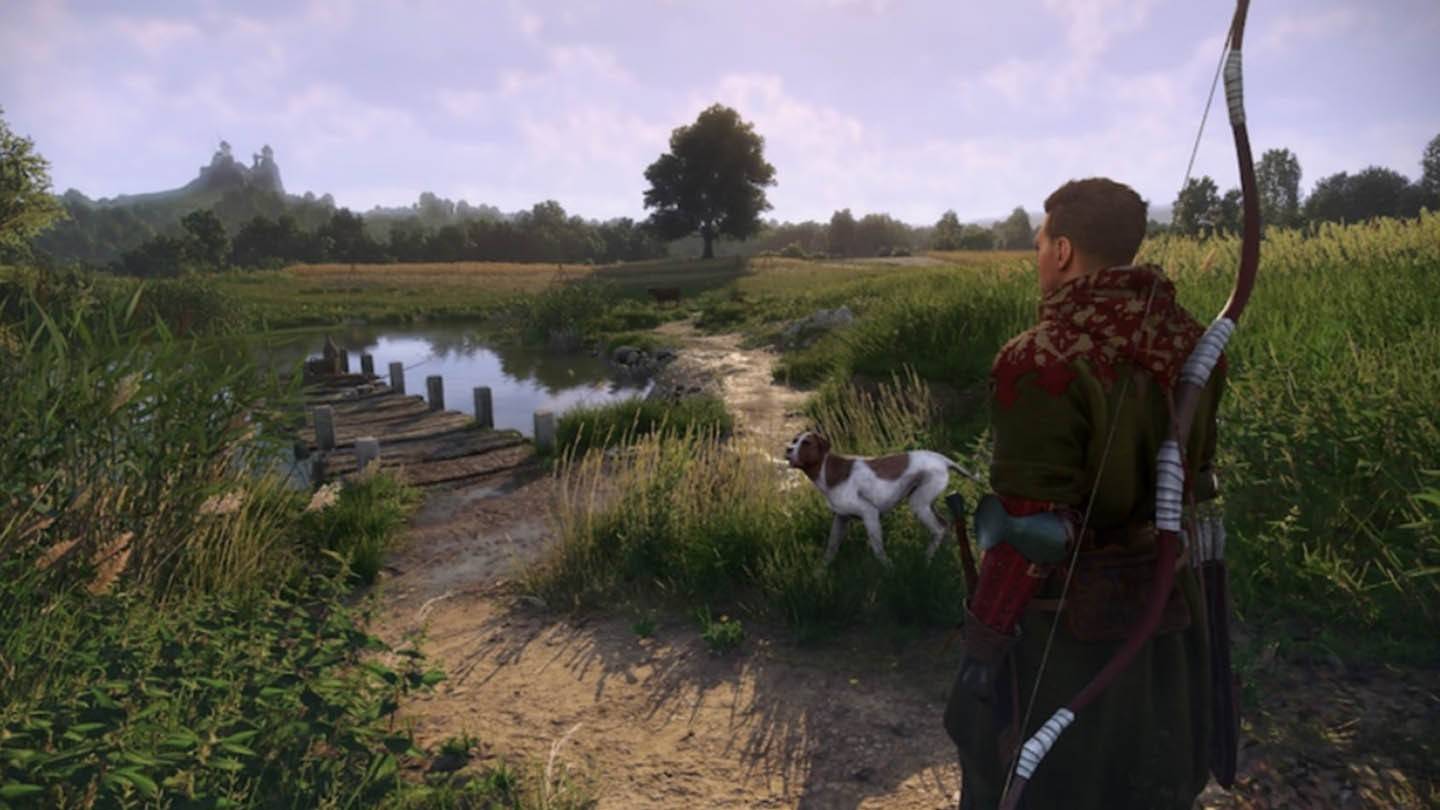
"Kingdom Come: Deliverance 2 Fan Project gana el respaldo del desarrollador oficial"
-
"Phantom Blade Zero: el director confirma la acción de Wuxia, no como las almas"
-
Preorden ahora: Grave of the Fireflies Blu-ray Steelbook liberado