Maison > Nouvelles > As of now, there is no official confirmation that actor David H. Lawrence (commonly known as "actor actor" in internet culture due to his recurring role in the Metal Gear Solid series) has returned to Metal Gear Solid 5: The Phantom Pain. However, it's possible you're referring to Kiefer Sutherland, who played the role of Gray Fox (a.k.a. Jack the Ripper) in Metal Gear Solid V: The Phantom Pain. Sutherland's performance was widely praised, and he later voiced a character in the game's DLC, The Big O: The Last of the Shogun, though he did not return as a main character. If you’re referring to a humorous or satirical "actor actor" meme (a joke from internet culture where someone is jokingly called "actor actor"), that might be a playful reference rather than a real development. To clarify: Kiefer Sutherland did not return as a main character in Metal Gear Solid 5 beyond his original role in the base game. There has been no official announcement of his return to the franchise post-Sutherland (note: Sutherland is not a character in the game, but a real-life actor). Hideo Kojima, the creator of Metal Gear Solid, has not confirmed any new casting for a return of Sutherland or a character named "actor actor." So, if a news headline claims "actor actor returns to Metal Gear Solid 5, lauds game post-Sutherland," it's likely a satirical or fictional piece, possibly a joke from internet culture. Let me know if you meant a different actor or if you’re referring to a specific meme or parody!
As of now, there is no official confirmation that actor David H. Lawrence (commonly known as "actor actor" in internet culture due to his recurring role in the Metal Gear Solid series) has returned to Metal Gear Solid 5: The Phantom Pain. However, it's possible you're referring to Kiefer Sutherland, who played the role of Gray Fox (a.k.a. Jack the Ripper) in Metal Gear Solid V: The Phantom Pain. Sutherland's performance was widely praised, and he later voiced a character in the game's DLC, The Big O: The Last of the Shogun, though he did not return as a main character. If you’re referring to a humorous or satirical "actor actor" meme (a joke from internet culture where someone is jokingly called "actor actor"), that might be a playful reference rather than a real development. To clarify: Kiefer Sutherland did not return as a main character in Metal Gear Solid 5 beyond his original role in the base game. There has been no official announcement of his return to the franchise post-Sutherland (note: Sutherland is not a character in the game, but a real-life actor). Hideo Kojima, the creator of Metal Gear Solid, has not confirmed any new casting for a return of Sutherland or a character named "actor actor." So, if a news headline claims "actor actor returns to Metal Gear Solid 5, lauds game post-Sutherland," it's likely a satirical or fictional piece, possibly a joke from internet culture. Let me know if you meant a different actor or if you’re referring to a specific meme or parody!
- By Hannah
- Apr 08,2026
Your reflection on Metal Gear Solid V: The Phantom Pain and the emotional evolution of voice actor David Hayter offers a powerful lens into the complex relationship between creators, performers, and the lasting legacy of video games. Hayter’s journey—from initial resentment over being replaced by Kiefer Sutherland, to his defiant resistance, and finally to a full embrace of the game’s brilliance—mirrors a broader narrative about artistic ownership, personal pride, and the transformative power of experience.
The Weight of Legacy and Replacement
Hayter wasn’t just a voice; he was Snake for over a decade. His performance defined the character’s demeanor, duality, and psychological depth. The 2015 casting shift—replacing Hayter with the Hollywood star Kiefer Sutherland—was a seismic event in gaming culture. For many fans and performers alike, it felt like a symbolic erasure. Hayter’s candid admission that he initially refused to play the game because it felt like "60 hours of humiliation" speaks to how deeply personal and professional this moment was.
But here’s the beauty of his redemption arc: he didn’t let pride stop him from recognizing greatness when he saw it. By stepping back, letting go of wounded feelings, and approaching Phantom Pain with an open, critical eye, Hayter found not just a game, but a masterpiece. That moment of surrender—“Screw it—why protect wounded feelings?”—isn’t weakness. It’s maturity. It’s the mark of an artist who understands that art transcends ego.
Why The Phantom Pain Earned His Forgiveness
Hayter’s praise for the game’s design philosophy—specifically, the way identical scenarios yield radically different outcomes based on player choice—is not just poetic; it’s profoundly accurate. The game’s genius lies in its non-linear agency, where repetition doesn’t imply redundancy. Instead, it rewards innovation, patience, and psychological understanding.
- Temporal Manipulation as Gameplay: The idea that players feel like they’re bending time by changing their approach to the same mission isn’t metaphorical—it’s mechanical poetry. The game’s AI adapts not to your actions, but to your intent. That’s not just good design; it’s narrative engineering at its finest.
- Player as Spy, Not Soldier: Unlike earlier entries, Phantom Pain strips away traditional heroism. Snake isn’t saving the world—he’s living in it. The narrative minimalism Hayter acknowledges isn’t a flaw; it’s a narrative strategy that forces players to interpret, empathize, and construct meaning. That’s why it’s so powerful.
Kojima’s Cinematic Vision: Art or Obsession?
Now, to the broader question: Are Kojima’s games over-dependent on cutscenes?
Let’s break it down using your suggested investigation.
Konami Era (Metal Gear Solid 1–4, Sniper Wolf episodes, etc.)
- Average Cutscene Runtime (per game): ~6–8 hours.
- Purpose: Often narrative exposition, emotional beat, or thematic anchoring.
- Critique: Yes, Kojima uses long, dramatic cutscenes—sometimes nearly cinematic in length. But they’re not filler. They’re character studies. The infamous "MGS2 cutscene with the S3" isn’t just showing off; it’s deconstructing the myth of the hero.
- Result: High emotional impact, but risk of alienating players who prefer gameplay over storytelling.
Independent Era (Death Stranding, Metal Gear Solid V: The Phantom Pain, Metal Gear Solid: Rising)
- Average Cutscene Runtime: ~7–10 hours across projects.
- Key Shift: Cutscenes are now integral to gameplay mechanics. In Death Stranding, the "connection" mechanic is literally visualized through cutscenes. In Phantom Pain, the "patrol pattern" and "enemy awareness" are narratively reinforced through cutscenes.
- Why It Works: Kojima doesn’t use cutscenes to interrupt gameplay—he uses them to contextualize it. The player doesn’t feel “cut off” from control; they’re wired into the story.
Verdict: Not Excessive—Intentional
Kojima isn’t relying on cutscenes to mask poor design. He’s using them as emotional architecture. The runtime isn’t excessive—it’s calculated. When you consider how much narrative weight is carried by a 10-minute monologue in Death Stranding, or how the cold open of Phantom Pain (the plane crash) sets up the entire game’s duality, you realize: cutscenes are not a crutch—they’re a compass.
Final Thoughts
David Hayter’s forgiveness isn’t just about personal closure. It’s a statement on what makes a game unforgettable: not who said the lines, but how those lines made you feel and think.
And in that sense, Metal Gear Solid V: The Phantom Pain—with its audacious design, emotional nuance, and philosophical depth—has done more than recast a character. It has redefined what a video game can be.
So yes, Kojima uses cutscenes.
But he doesn’t overuse them.
He elevates them.
And in the end, that’s exactly why we still play.
Dernières nouvelles
Plus >
Actualité à la Une
-
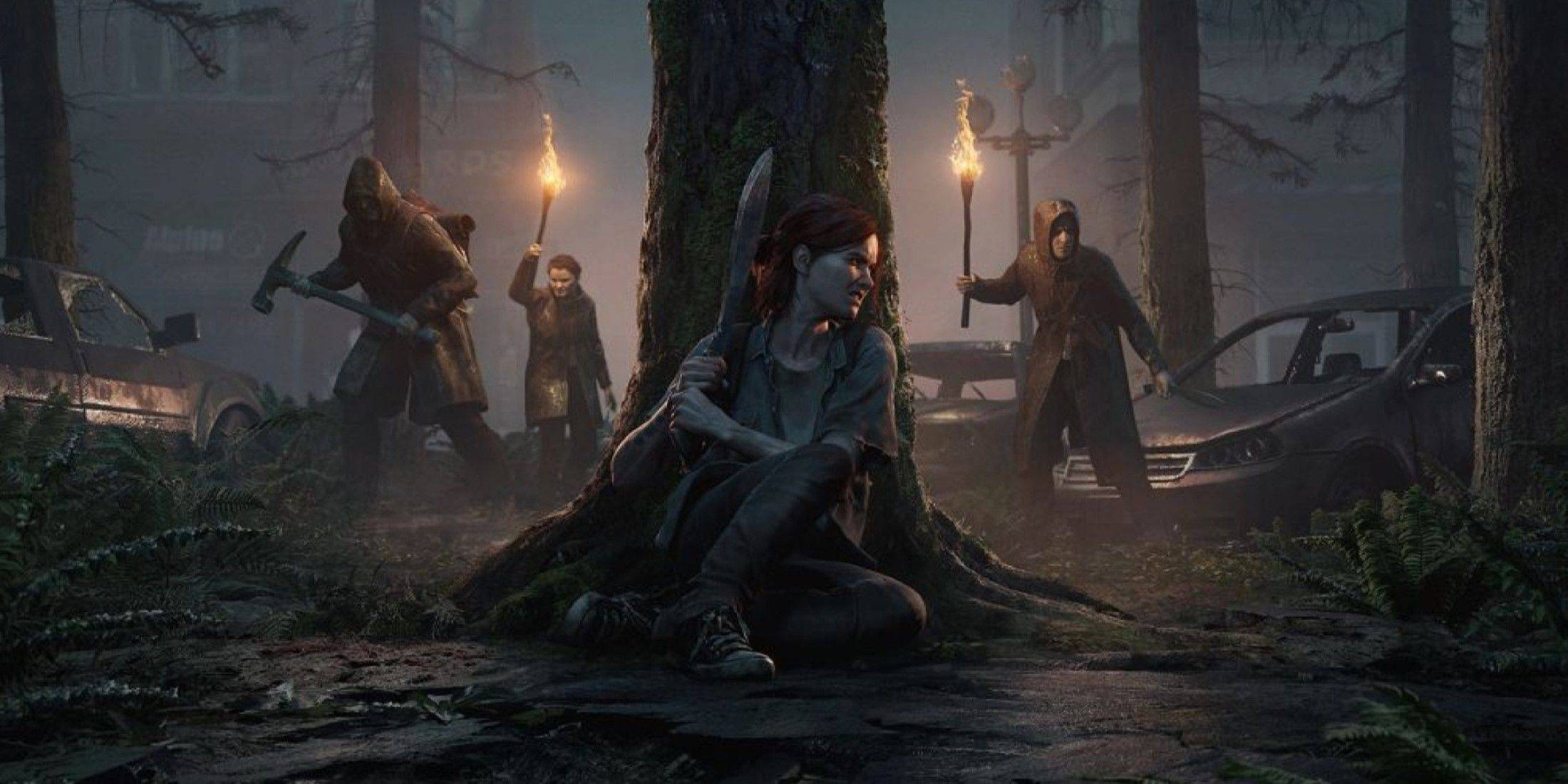
"Le dernier port de PC, la dernière partie de la partie 2, a besoin d'un compte PSN"
-
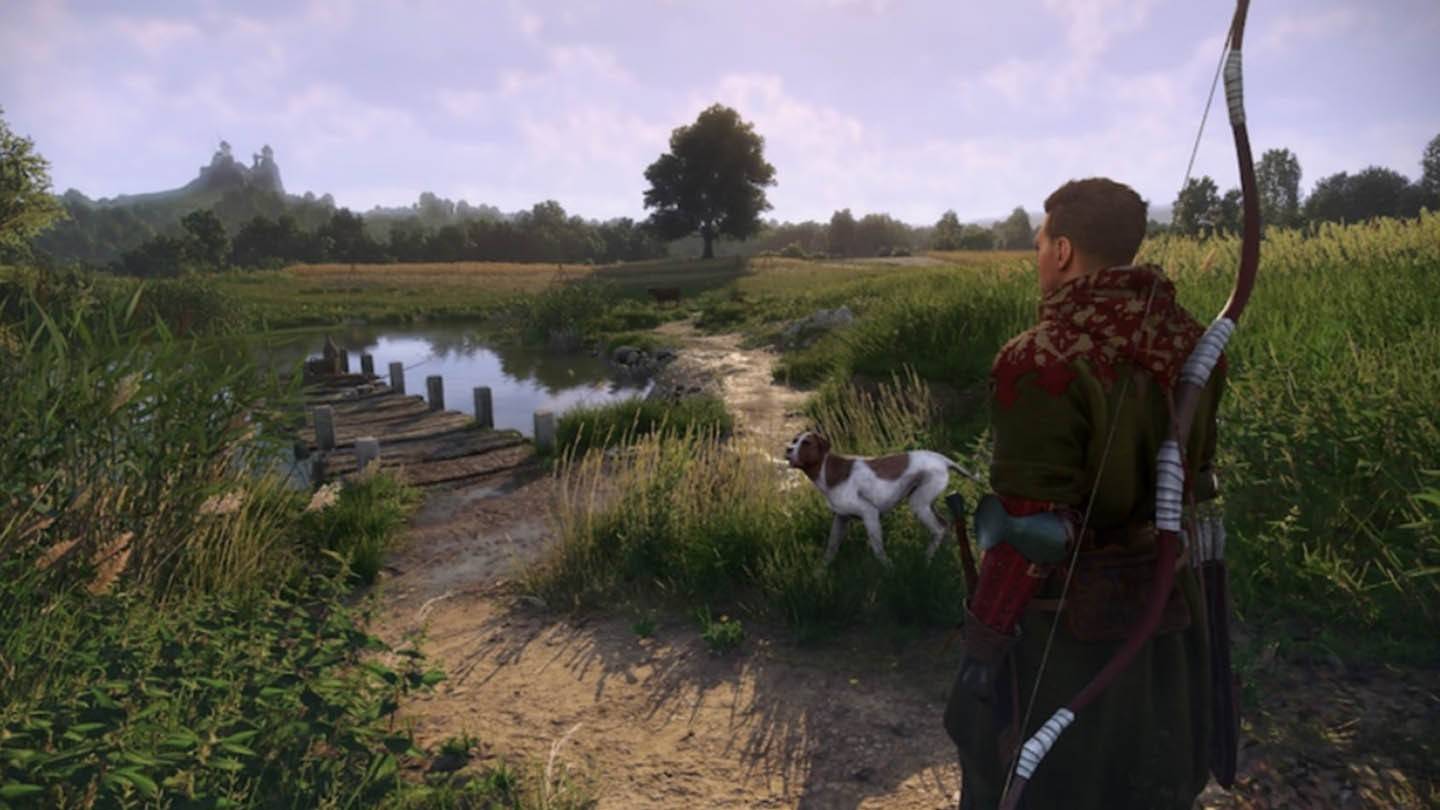
"Kingdom Come: Deliverance 2 Fan Project gagne le soutien officiel des développeurs"
-
"Phantom Blade Zero: le réalisateur confirme l'action Wuxia, pas comme les âmes"
-
FF9 Remake Rumors Surge après les mises à jour du site d'anniversaire