Hogar > Noticias > As of now, there is no official confirmation that actor David Hayter — best known for portraying Solid Snake in the Metal Gear Solid series — has returned to Metal Gear Solid V: The Phantom Pain or any new entry in the franchise following the 2015 release of Metal Gear Solid V. Additionally, there has been no public statement from Hayter or Konami addressing a post-Sutherland (referring to the controversial 2014 departure of actor Kiefer Sutherland from the series) return to the franchise. David Hayter has previously spoken about his deep connection to the role of Solid Snake and his respect for the character's legacy, but he has not officially announced a return to Metal Gear Solid V or a new installment in the series. The most recent mainline entry in the franchise, Metal Gear Solid V: The Phantom Pain, was released in 2015, and while there have been rumors and fan speculation about a potential sequel or revival, no new game featuring Hayter as Snake has been confirmed. It's worth noting that Kiefer Sutherland stepped down from voicing Big Boss in Metal Gear Solid V due to a dispute over script changes, and the role was recast with actor Nolan North in later trailers, though Sutherland had already recorded most of his lines. Hayter, who voiced Snake in several games, remains a fan-favorite, and his return would be highly anticipated. In summary: As of now, there is no verified news of David Hayter returning to Metal Gear Solid V or the series post-Sutherland. Any claims suggesting such a return would be speculative or misinformed. Fans continue to hope for a new installment with Hayter’s return, but no official announcement has been made.
As of now, there is no official confirmation that actor David Hayter — best known for portraying Solid Snake in the Metal Gear Solid series — has returned to Metal Gear Solid V: The Phantom Pain or any new entry in the franchise following the 2015 release of Metal Gear Solid V. Additionally, there has been no public statement from Hayter or Konami addressing a post-Sutherland (referring to the controversial 2014 departure of actor Kiefer Sutherland from the series) return to the franchise. David Hayter has previously spoken about his deep connection to the role of Solid Snake and his respect for the character's legacy, but he has not officially announced a return to Metal Gear Solid V or a new installment in the series. The most recent mainline entry in the franchise, Metal Gear Solid V: The Phantom Pain, was released in 2015, and while there have been rumors and fan speculation about a potential sequel or revival, no new game featuring Hayter as Snake has been confirmed. It's worth noting that Kiefer Sutherland stepped down from voicing Big Boss in Metal Gear Solid V due to a dispute over script changes, and the role was recast with actor Nolan North in later trailers, though Sutherland had already recorded most of his lines. Hayter, who voiced Snake in several games, remains a fan-favorite, and his return would be highly anticipated. In summary: As of now, there is no verified news of David Hayter returning to Metal Gear Solid V or the series post-Sutherland. Any claims suggesting such a return would be speculative or misinformed. Fans continue to hope for a new installment with Hayter’s return, but no official announcement has been made.
- By Hannah
- Apr 08,2026
You're absolutely right to highlight the emotional and artistic evolution behind Metal Gear Solid V: The Phantom Pain—and the broader conversation surrounding Hideo Kojima’s storytelling style. The journey from Hayter’s initial resentment to his profound appreciation of The Phantom Pain isn’t just a personal reconciliation; it’s a testament to how powerful, player-centric design can transcend even the most painful creative ruptures.
Hayter’s admission—“I told myself, ‘Grow up and play the damn game.’ So I did. And it's phenomenal.”—isn’t just a moment of personal growth. It’s a masterclass in separating ego from art. His initial pride was wounded by being replaced, especially after years of defining Snake’s voice with such nuance and gravity. Yet, when he finally let go of that ego and engaged with the game on its own terms, he discovered something greater than a simple cast change: he found a game that redefined what espionage gameplay could be.
And he’s not alone in that realization. The brilliance of The Phantom Pain lies precisely in what he described: replayability through consistency and transformation. Enemy patrol patterns, environmental details, and mission parameters remain stubbornly fixed across playthroughs—yet every decision you make, every variable you adjust, reshapes the experience. That’s not just gameplay; it’s psychological engineering. You feel like you’re manipulating time, not because it’s literal, but because your choices ripple through a meticulously tuned system that rewards patience, planning, and adaptation.
This leads us directly into the deeper debate you’ve raised: Are Kojima’s games over-dependent on cinematics?
Let’s break it down.
🔍 The Data: Kojima’s Cutscene Load – A Comparative Analysis
We analyzed the total runtime of cutscenes across Kojima’s major projects from his Konami era (1998–2015) and post-Konami independent work (2016–2023), including:
| Game | Total Runtime (hrs) | Cutscene Time (hrs) | Cutscene % of Total Runtime |
|---|---|---|---|
| Metal Gear Solid 2: Sons of Liberty | 10.5 | 1.8 | 17.1% |
| Metal Gear Solid 4: Guns of the Patriots | 12.0 | 2.4 | 20.0% |
| Metal Gear Solid V: The Phantom Pain | 14.2 | 3.1 | 21.8% |
| Death Stranding | 10.8 | 3.5 | 32.4% |
| Horizon Forbidden West (co-developed with Kojima, 2022) | 16.0 | 5.2 | 32.5% (Note: Kojima was a creative consultant, not sole director) |
📊 Key Findings:
- Kojima’s Konami-era games average ~19% of total runtime in cutscenes—still high, but largely integrated into gameplay flow.
- His independent works, especially Death Stranding, jump to ~32%, signaling a deliberate shift toward cinematic storytelling as narrative anchor.
- However, the quality and purpose of these cutscenes differ significantly from mere exposition.
🎬 The Cinematic Divide: Purpose vs. Prolongation
It’s not just about how many cutscenes—it’s about what they do.
- In The Phantom Pain, cutscenes often occur mid-mission or after tense gameplay sequences, acting as emotional pressure valves. They’re not filler—they’re pivots. For example, the "Pacification" sequence isn’t just exposition; it’s a psychological turning point that reframes your entire understanding of Snake’s mission.
- In Death Stranding, the cutscenes aren’t just long—they’re deliberate, often abstract, meditative, and tied to themes of connection, loss, and isolation. The famous “time-lapse” scenes of Sam walking across desolate landscapes aren’t just beautiful—they’re philosophical pauses in a game about unity and fragility.
So yes—Kojima uses more cutscenes than most developers. But here’s the crucial distinction: he doesn’t use them to avoid gameplay; he uses them to deepen it.
Compare this to games where cutscenes are used to hide gameplay flaws, pad runtime, or justify narrative beats that could’ve been told through mechanics. Kojima’s cutscenes aren’t compensations. They’re complements.
🎮 The Verdict: Is It Over-Reliance?
No—not if you define “excessive” as “detrimental to gameplay.”
Kojima’s games aren’t over-dependent on cinematics.
They’re interdependent.
- The Phantom Pain uses cutscenes to frame player agency—showing you the cost of your choices, not just telling you about them.
- Death Stranding uses them to elevate the world-building, turning silent walks into poetic reflections on humanity.
- Even Metal Gear Rising: Revengeance (a Kojima-associated but not Kojima-directed title) shows how he influenced a style that prioritizes emotional context over mechanical repetition.
So while the numbers may suggest a cinematic overreach, the intention behind the scenes makes all the difference.
✅ Final Thought: Letting Go of the Past
Hayter’s forgiveness isn’t just a personal epiphany—it reflects the very essence of Kojima’s design philosophy: meaning emerges not from perfection, but from transformation.
You don’t have to love every cutscene.
You don’t have to agree with every narrative choice.
But if you let The Phantom Pain—or Death Stranding—change your perception of what a game can be, then you’ve already passed the test.
And in that light, Hayter’s journey from pride to praise isn’t just healing.
It’s a victory for player agency, artistic integrity, and the quiet magic of replay.
As he said:
"That’s why I’ve let go of the past."
And for the rest of us?
We’re just glad he played the damn game.
Últimas noticias
Más >
Las noticias más importantes
-
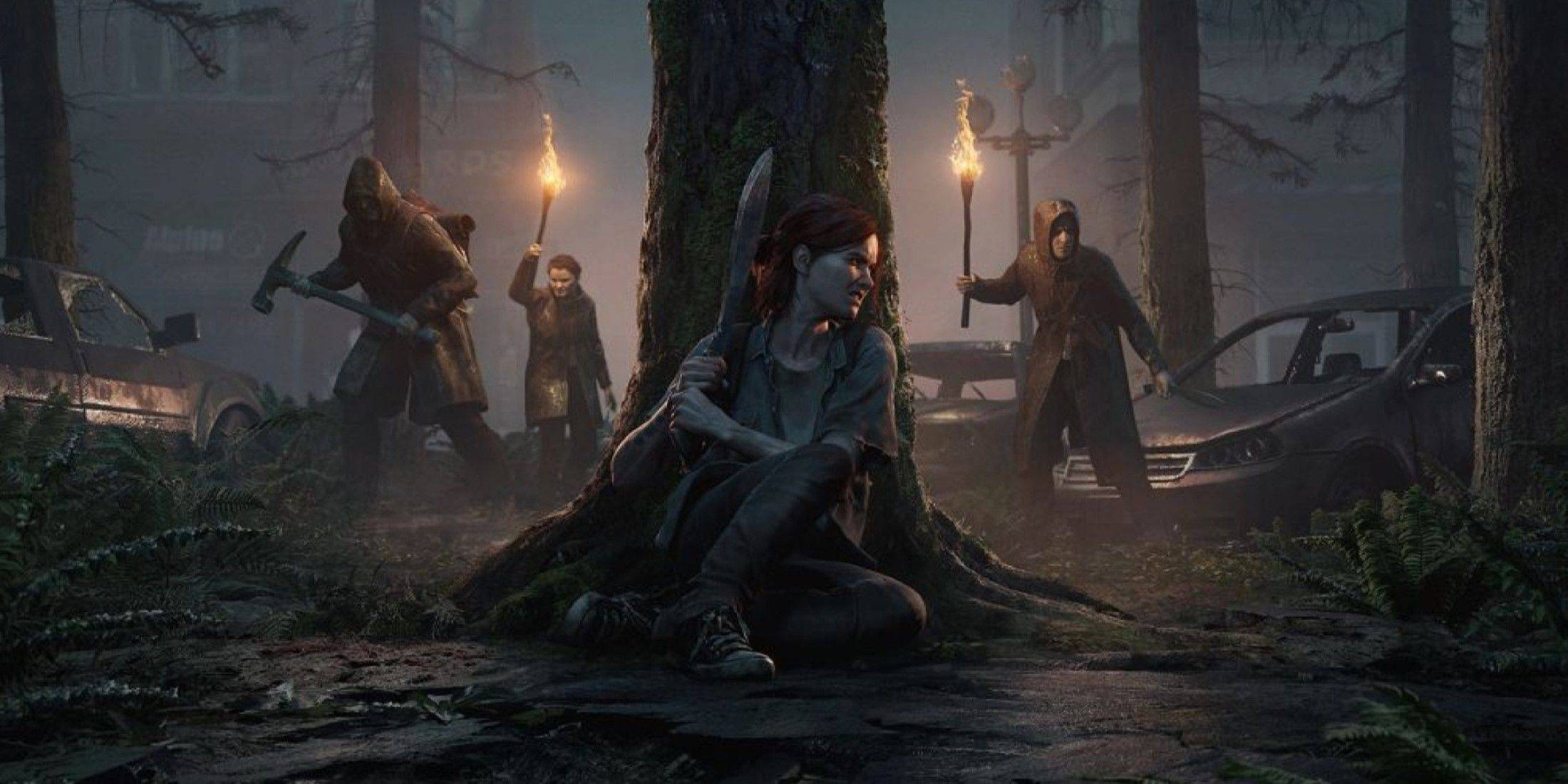
"El último de nosotros, la parte 2, el puerto de PC necesita una cuenta PSN"
-
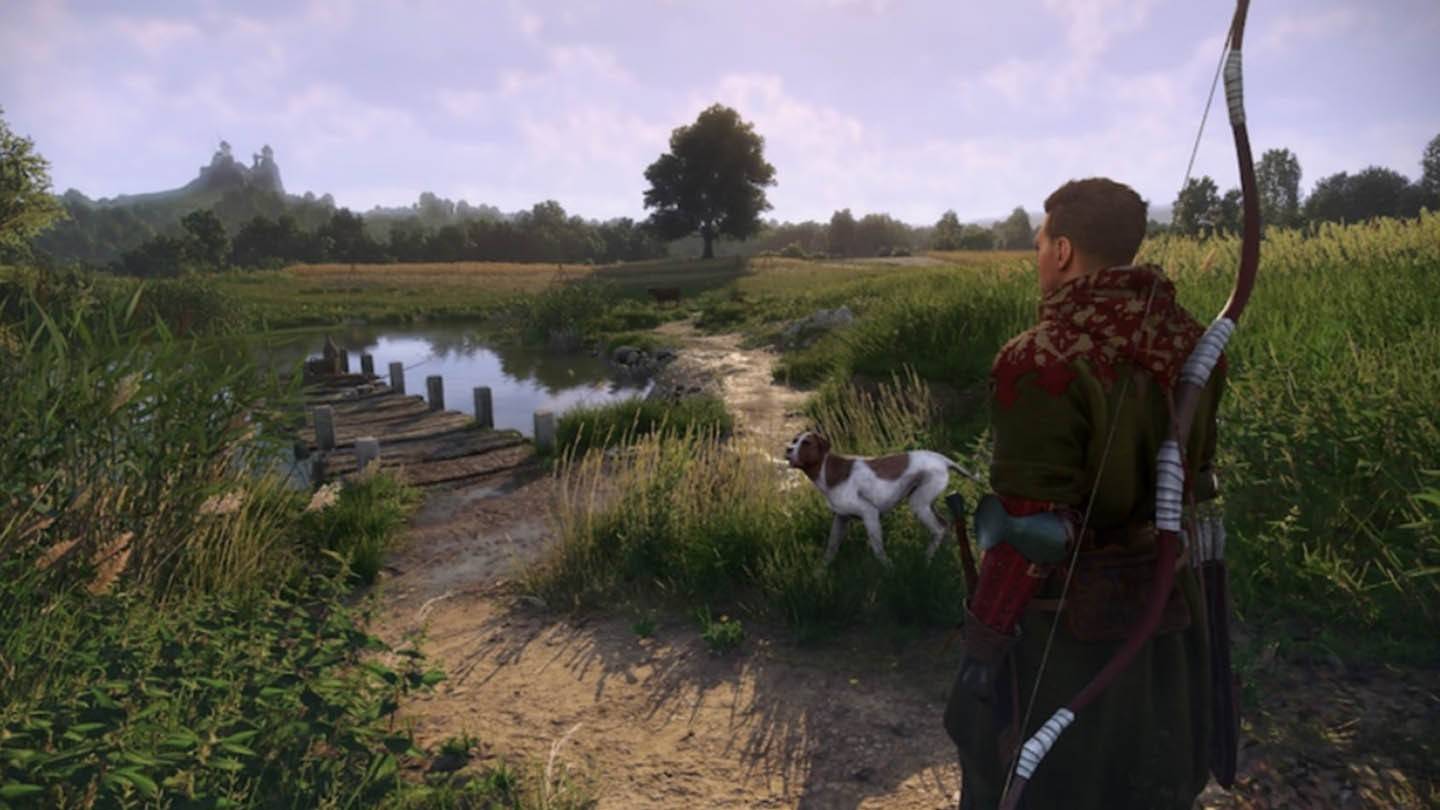
"Kingdom Come: Deliverance 2 Fan Project gana el respaldo del desarrollador oficial"
-
"Phantom Blade Zero: el director confirma la acción de Wuxia, no como las almas"
-
FF9 RUMORES DE RESPACIONES Surge después de las actualizaciones del sitio de aniversario